 News Take · IP Law · 2026-05-12
On May 6, 2026, Atari announced it had acquired the rights to the first five Wizardry games — the ones that invented the party-based dungeon-crawler RPG in 1981. Four days later, Drecom issued a public denial that Atari had acquired the brand itself. Both statements are true. The gap between them is a forty-five-year case study in how copyright, trademark, and brand identity can split an IP into pieces that no single owner controls.
 Lore Deep Dive · RPG History · 2026-05-12
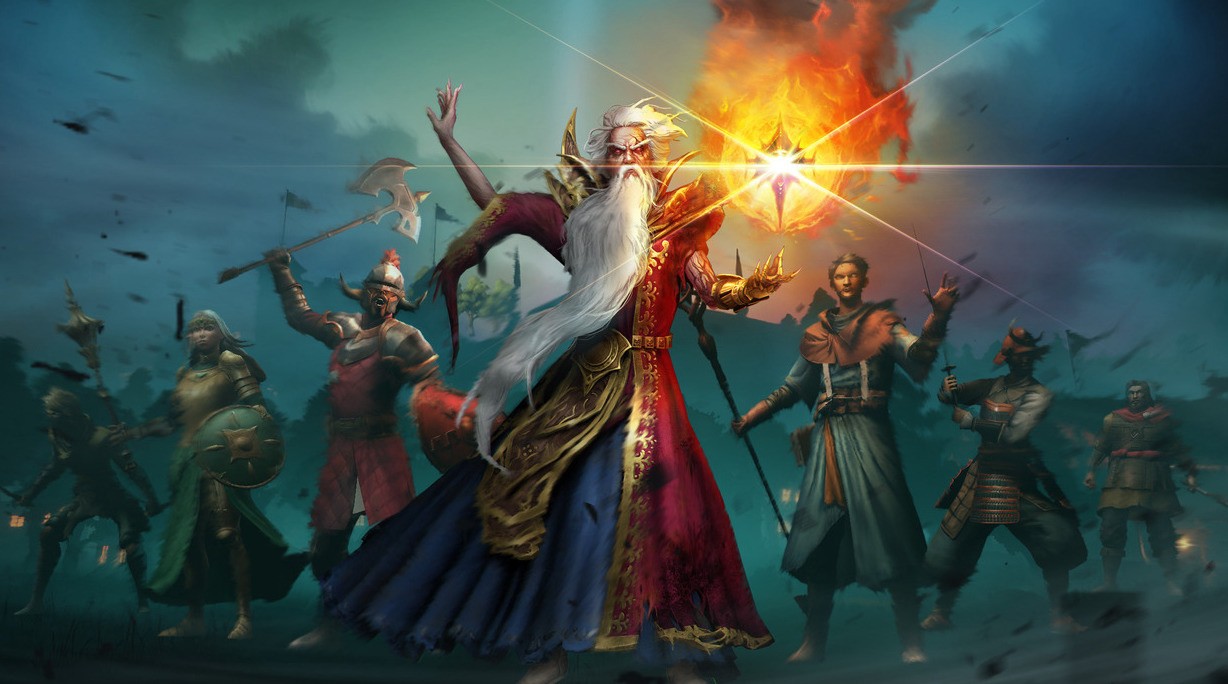
In 1981, Sir-Tech Software published Wizardry: Proving Grounds of the Mad Overlord on the Apple II. It sold a quarter-million copies before most Americans had a home computer. Yuji Horii played it and made Dragon Quest . Hironobu Sakaguchi played it and made Final Fantasy . The entire JRPG lineage — party formation, turn-based combat, dungeon cartography, experience curves — traces back to a six-character party walking blind into a ten-level wireframe dungeon coded in a dorm room in upstate New York. Now Atari owns the rights to the original Llylgamyn saga, and Digital Eclipse has already proved what a careful restoration looks like. The question is whether ownership means preservation — or just another logo on the box.
 News Take · GenAI · Pipeline Hygiene · 2026-05-12
Fangamer 's physical release of the Riven remake soundtrack shipped with generative-AI art in its packaging. Rand Miller — co-creator of Myst, one of the most important names in adventure-game history — approved the asset. Fangamer pulled the product. The sequence — generate, ship, get caught, apologize — is now the standard lifecycle of a pipeline-hygiene failure. The problem was never the tool. The problem is that nobody in the chain said stop .
 Hardware Revival · FPGA · 2026-05-12
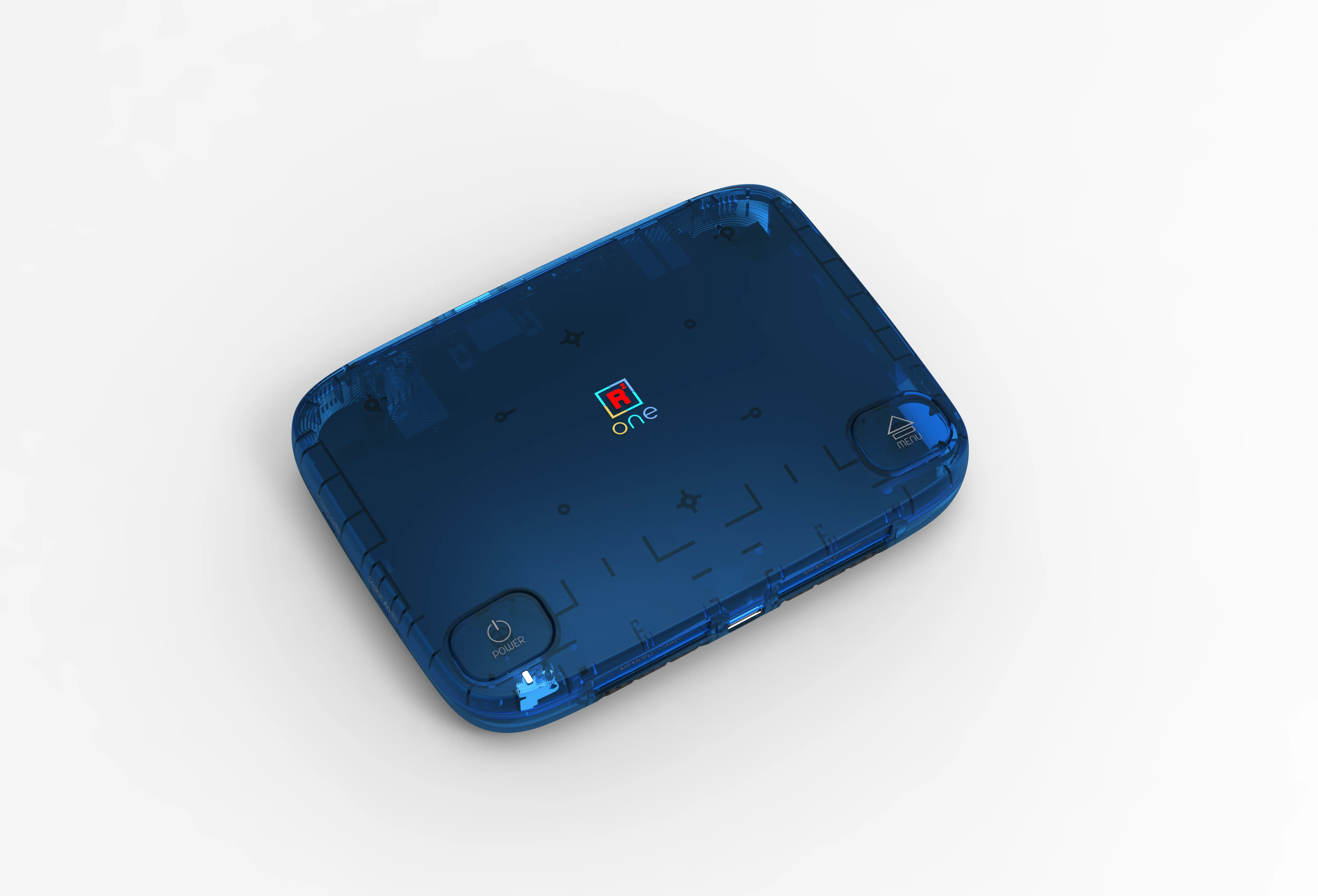
In 2018, Sony shipped the PlayStation Classic — a miniature PSOne running open-source emulation software so poorly configured that modders had it jailbroken in a weekend and reviewers had it in a bargain bin by January. It retailed for $99, dropped to $25 within months, and taught a single lesson: the brand name is not the product. Eight years later, Retro Remake's SuperStation One — a $210 FPGA console designed by Taki Udon — does what Sony never bothered to: run PSOne games at cycle-accurate fidelity, through real analog outputs, with a controller ecosystem that doesn't feel like a party favor. The reviews are in. Time Extension calls it the definitive way to play original PlayStation hardware. And the dock isn't even out yet.
 Lumenforce Lab · Scene Tooling · 2026-05-12
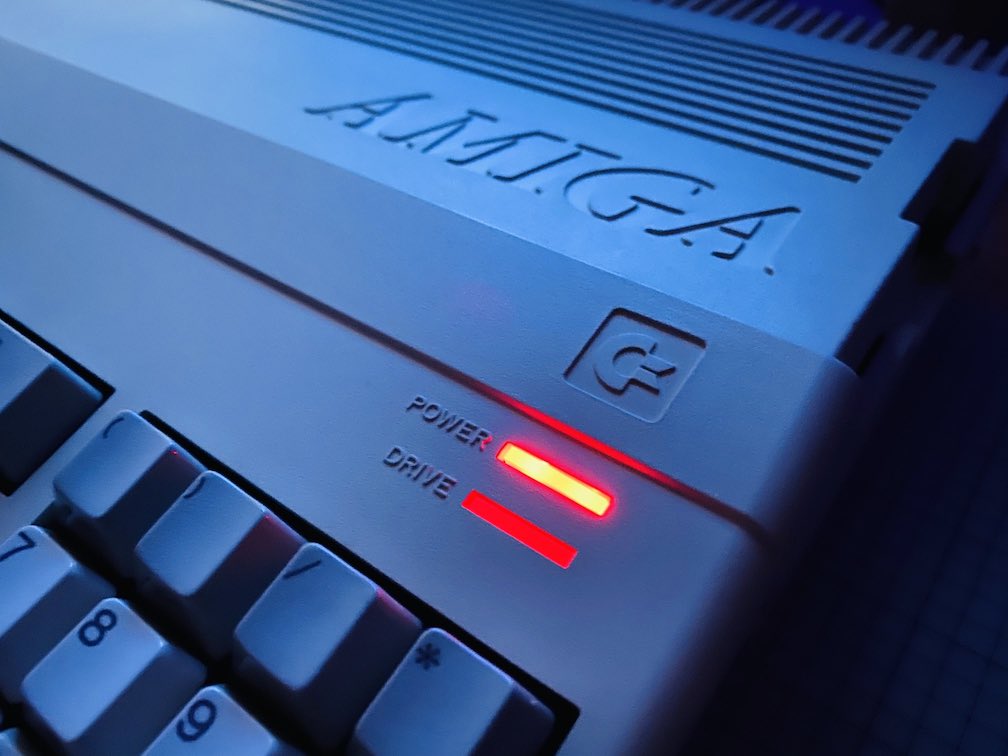
The Amiga's NTSC output was never really correct on modern displays. Not in WinUAE. Not in FS-UAE. Not on the MiSTer Minimig core . The vertical scaling was wrong — pixel-aspect ratios stretched or crushed depending on which layer of the stack you asked — and the wrongness was so familiar it had become invisible. Then, in AmigaVision 's April 2026 release, it got fixed. One commit. Thirty years of broken geometry, resolved by a volunteer project that ships a preconfigured setup for a hobbyist FPGA board. That ratio — decades of institutional neglect to one night of open-source labor — is the story.