 Lumenforce Lab · Scene Tooling · 2026-05-14
N64Recomp proved a thesis most of the emulation world considered impractical: take a compiled ROM, statically recompile it to native C, and run the result on modern hardware — no emulator in the loop, no original source code required. The technique shipped a playable, modifiable Majora's Mask port and the scene took notice. Now a new fork of the idea, XenonRecomp , is targeting Xbox 360 PowerPC binaries . A companion glue layer called ReXGlue handles the runtime services the original console provided. The toolchain is public. A Fable II proof-of-concept is already on GitHub. And the implications for seventh-generation preservation are the kind of thing this column exists to name out loud.
 News Take · IP Acquisition · 2026-05-14
Atari has acquired the Wizardry franchise , the 1981 dungeon crawler that invented party permadeath, grid-based mapping, and the template that Western and Japanese RPGs still run on forty-five years later. The rights came from Drecom , the Japanese company that had held the IP since purchasing it from the remnants of Sir-Tech Software in the early 2020s. Now it belongs to the same company that owns Digital Eclipse — the studio with the strongest claim to being the best preservation-first remaster shop in the industry. That proximity is the whole story.
 Dispatch · Preservation · 2026-05-14
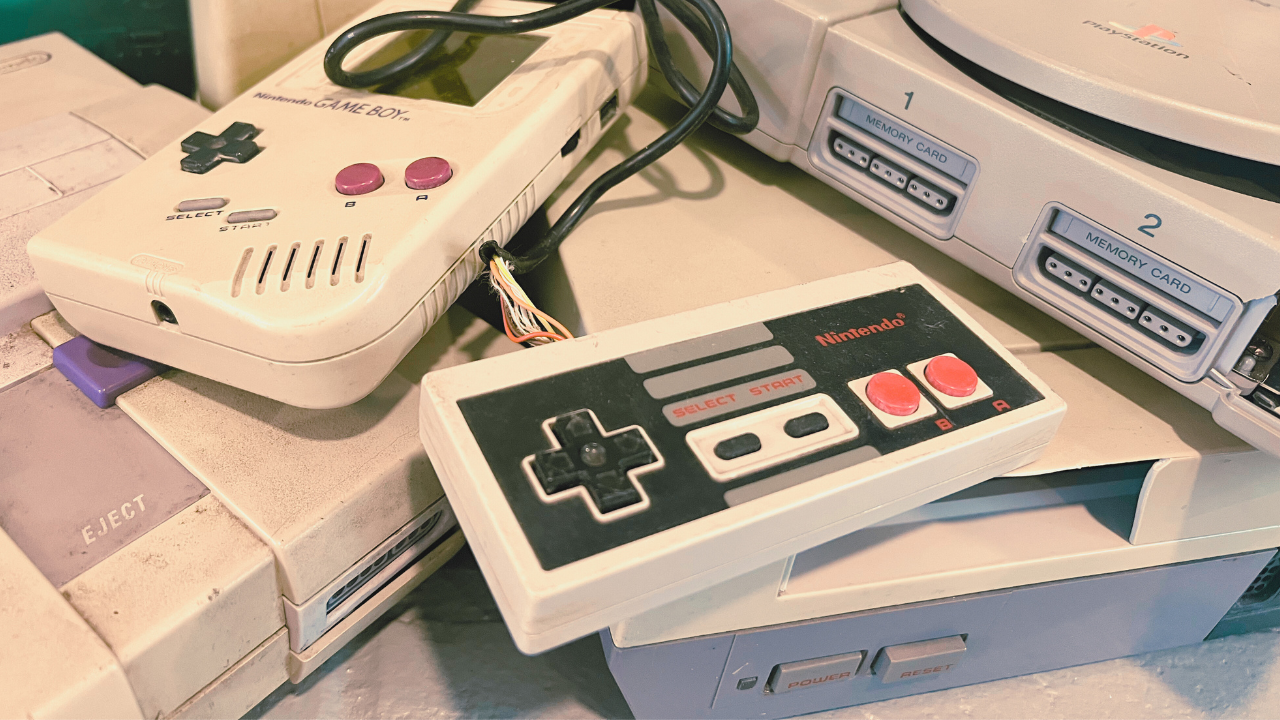
In October 2024, the U.S. Copyright Office denied a DMCA exemption that would have let libraries and archives provide remote access to preserved video games. The Video Game History Foundation called the ruling "devastating." The Entertainment Software Association called it appropriate. Six months later, the preservationists are still working — just not the way the law imagined. Here is what the post-ruling landscape actually looks like, and what it costs.
 Retro Corner · FPGA · PS1 · 2026-05-14
Taki Udon's SuperStation One is an FPGA PlayStation 1 console that reproduces the original silicon at the gate level — no emulation, no software abstraction. It plays original discs, outputs at native 240p or upscaled, and handles the PS1's notoriously tricky GPU with a fidelity Sony's own PS Classic never attempted . This is the PS1 done right, twenty-eight years late, by someone who isn't Sony. The question it answers isn't "can we?" — MiSTer's PS1 core already proved the concept. The question it answers is "can we make this feel like a console, not a project?"
 Lumenforce Lab · Amiga · Emulation · 2026-05-14
The AmigaVision 2026.04.16 release quietly corrects NTSC scaling behavior that has been wrong since the early nineties. The bug lived in the gap between what the Amiga's hardware actually output and what every subsequent emulation layer assumed it output. Thirty years of screenshots, thirty years of gameplay captures, thirty years of people saying "that looks right" — and the aspect ratio was off. The fix matters because it proves something preservation-critical: fidelity is not nostalgia. It is measurement.