
While the Library Door Got Locked, the Scene Decompiled Half a Console Generation
The institutional preservation channel just lost its DMCA exemption fight. The same twelve months in which it lost: Mario Kart 64 hit 100% decompiled, Perfect Dark shipped a native PC port with multiplayer, F-Zero X is past 97%, Banjo-Kazooie runs natively on Linux/Windows/Steam Deck via the N64Recompiled toolchain. The technical leap underneath is automated static recompilation. Nobody has named it as the year's preservation breakthrough. This piece does.
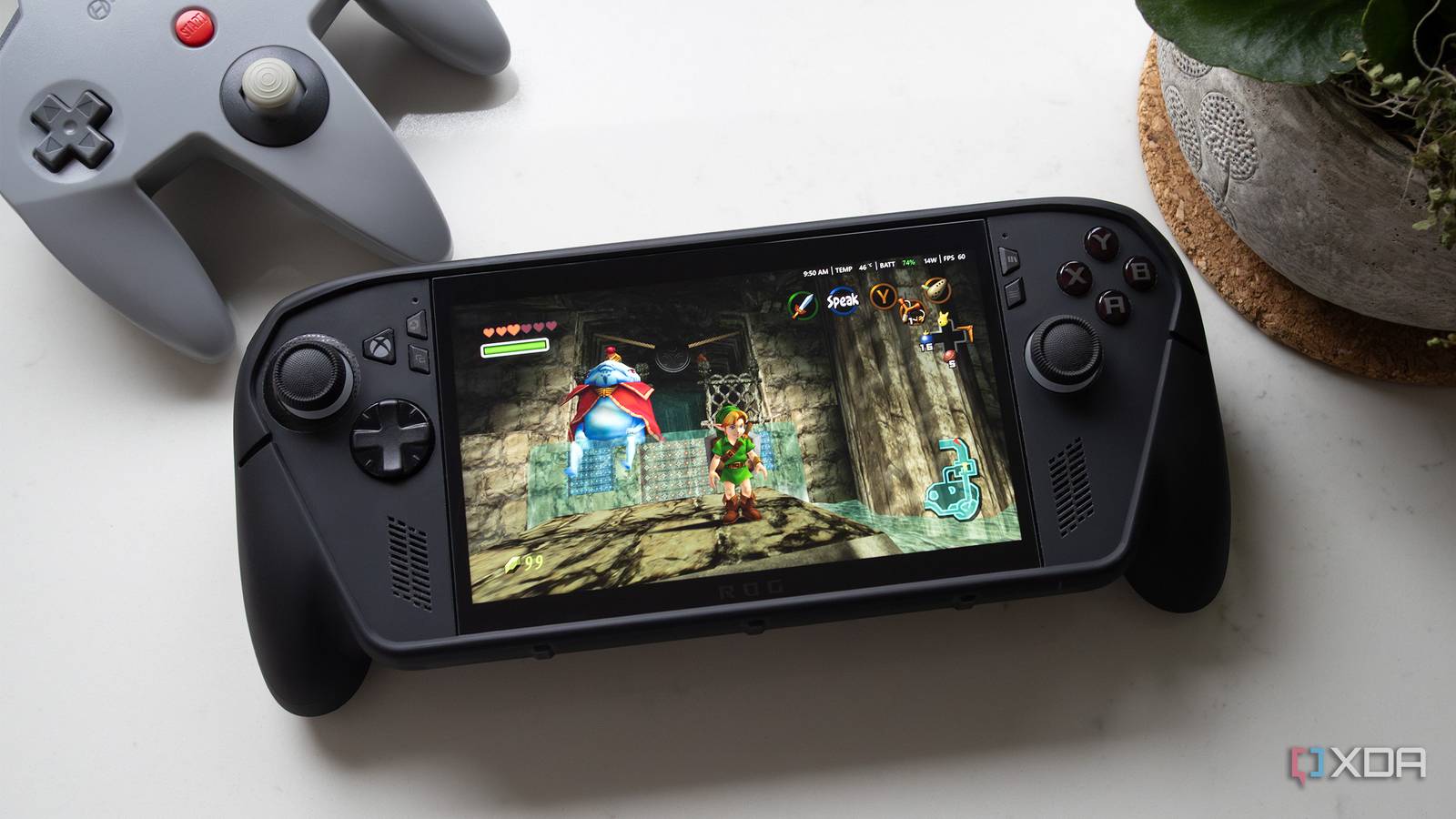
What shipped while the institutional fight was happening. Mario Kart 64's decompilation reached 100% after a five-year effort, then immediately got ported to native Windows, Linux, Switch, and Steam Deck builds. Perfect Dark — Rare's N64 shooter — completed its decompilation in January, with multiplayer support intact in the native build. F-Zero X and F-Zero X DD are past 97% and ship-ready within months. Banjo-Kazooie runs as a polished public PC port — Linux, Windows, Steam Deck — via the N64Recompiled distribution layer. XDA Developers' coverage phrases it correctly: these run better than emulators, because they are not emulating anything — they are native code on native silicon, transformed from the original ROM by a toolchain.
The technical distinction matters and almost no general-audience press has named it. Two different things have been quietly ascendant. Decomposition — usually called decomp — is the human reverse-engineering effort: take a compiled ROM, trace every function, name every variable, rewrite the logic in clean human-readable C, ship the result as portable source code that compiles to any platform. The n64decomp GitHub organization has hosted this work for years; the Mario 64 decomp (Super Mario 64 PC, the precedent) and the OoT decomp (Ship of Harkinian) are the headline outputs. Decomp is multi-year team effort; the result is the most legally-defensible preservation product anyone has shipped, because the source code is *reverse-engineered from observation*, not copied. Recompilation — usually called recomp — is the new move. Take the original compiled MIPS binary, mechanically translate it instruction-by-instruction into native x86/ARM machine code, link in a small runtime that handles the original system's I/O, output a ready-to-run PC binary. No human rewrites the game logic. The toolchain does it.
"Decomp is humans rewriting in C. Recomp is machines translating binaries. Both ship native PC ports. Recomp is the breakthrough that compresses five-year efforts into weeks."— Lumenforce
The recomp toolchain is what changed in the last twelve months. N64Recomp takes a MIPS R4300i ROM and emits native code for any modern target architecture. The output runs at the original frame rate or higher, on a fraction of the CPU an emulator would need, with deterministic behavior that emulators have to chase with cycle-accurate emulation. Banjo-Kazooie ships through this path. Retro Lunch's "Age of Recomps" inventory from March of this year is the best single index — it lists every playable PC recompilation currently shipping. XenonRecomp applies the same approach to Xbox 360 binaries. That is structurally significant: the Xbox 360 catalog is the largest body of console-exclusive software still effectively trapped on dying hardware, and the recomp toolchain just opened a door to it. Steam Deck HQ covers the launcher layer that makes installing N64Recomp ports look like installing a game.
This is the cluster argument that the morning slate locks. The institutional preservation channel just failed at the Copyright Office. The consumer-shelf preservation tier just opened with the Polymega Remix. And the scene-side preservation channel just industrialized — what used to take five years of human effort can now take weeks of toolchain work, and the outputs are clean-room source code or freshly-compiled native binaries that exist outside the legal frame the publishers' lobbyists won this week. The four-tier authenticity taxonomy today's NEWS TAKE names has clean-room source as its fourth tier; this dispatch is what that tier is producing right now, and it is producing it at industrial scale. The scene did not need the institutional channel to succeed. It is succeeding without it.
Two things this is not. It is not a celebration of piracy. The decomp/recomp track requires the original ROM to operate on; the people running these toolchains have access to the ROMs by lawful purchase, by archival rip of their own copies, or — for the recomp toolchain specifically — by a redistribution model that ships only the toolchain and the asset-extraction code, requiring the user to provide their own ROM dump. This is the same legal posture the SM64 decomp has held for years. It is not piracy; it is the most compliance-aware preservation work in the field. It is also not a case for institutional irrelevance. The scene's outputs — clean C source, native PC binaries, frame-perfect PC ports — are the *strongest possible artifacts* for an academic researcher who wants to study, say, the design of Banjo-Kazooie's collectibles loop. They exist in forms a research library could index, host, and lend if the law allowed it. The legal architecture is what is broken, not the institutional value proposition.
The honest hedges. Recomp is hardest where the binary is most opaque. Self-modifying code, dynamic linking, copy-protection schemes that depend on hardware quirks — these are where the toolchain breaks down and humans have to step in. The headline N64 catalog is recomp-tractable because the N64 was an open-ish architecture; PlayStation 1 has been harder, PlayStation 2 harder still. The recomp explosion is N64-shaped this year; expanding it to other consoles is the next decade's work. The credit pattern is fragile. Decomp and recomp projects are typically credited at the project level — the n64decomp organization, the N64Recomp toolchain, the Ship of Harkinian team — and individual contributors who carry the maintenance load can burn out without ever being publicly credited. This publication's standing rule on scene-tool contributors holds: name the project, link the repo, do not lift individual names without direct quotes. The person sustaining a five-year decomp effort deserves a longer profile than this dispatch can do justice to. We owe them better than a name-drop.
What to watch for in the next twelve months. (1) The first recomp project to ship for a console the field considered untouchable. If a PS2 or 3DS recomp lands in 2026, the industrial-scale claim extends to systems with much larger libraries. (2) The first major publisher response. So far publishers have ignored the decomp track and engaged the recomp track only minimally. The first DMCA takedown attempt against an N64Recomp port will be an information-rich event — it will tell us how the platform-holder lobby is reading this work. (3) Whether any institutional library negotiates a "scene-output ingestion" agreement — taking a clean-room decomp source and incorporating it into a research collection. The legal channel for this exists in theory (the source is not infringing); whether any institution has the appetite for the political risk is unknown. If one tries, the institutional/scene division collapses in a useful way.
The one-line version. While the institutional preservation channel was losing its big fight, the scene-side preservation channel was quietly shipping a console generation's worth of clean-room source. That argument-of-the-week, named today and stuck to: the legal architecture is broken. The technical architecture has solved the problem. The gap between those two is the next ten years of preservation work.