
The Library Door Just Got Locked: U.S. Copyright Office Denied the Game Preservation Exemption
The Software Preservation Network and the Video Game History Foundation asked for a DMCA Section 1201 exemption that would have let libraries and archives remotely share digital access to out-of-print video games — the same way they already share out-of-print films and out-of-print books. The U.S. Copyright Office denied it. Three weeks ago this publication ran a piece naming the 87% of pre-2010 games that are commercially unavailable. The institutional channel that was supposed to recover them just closed.
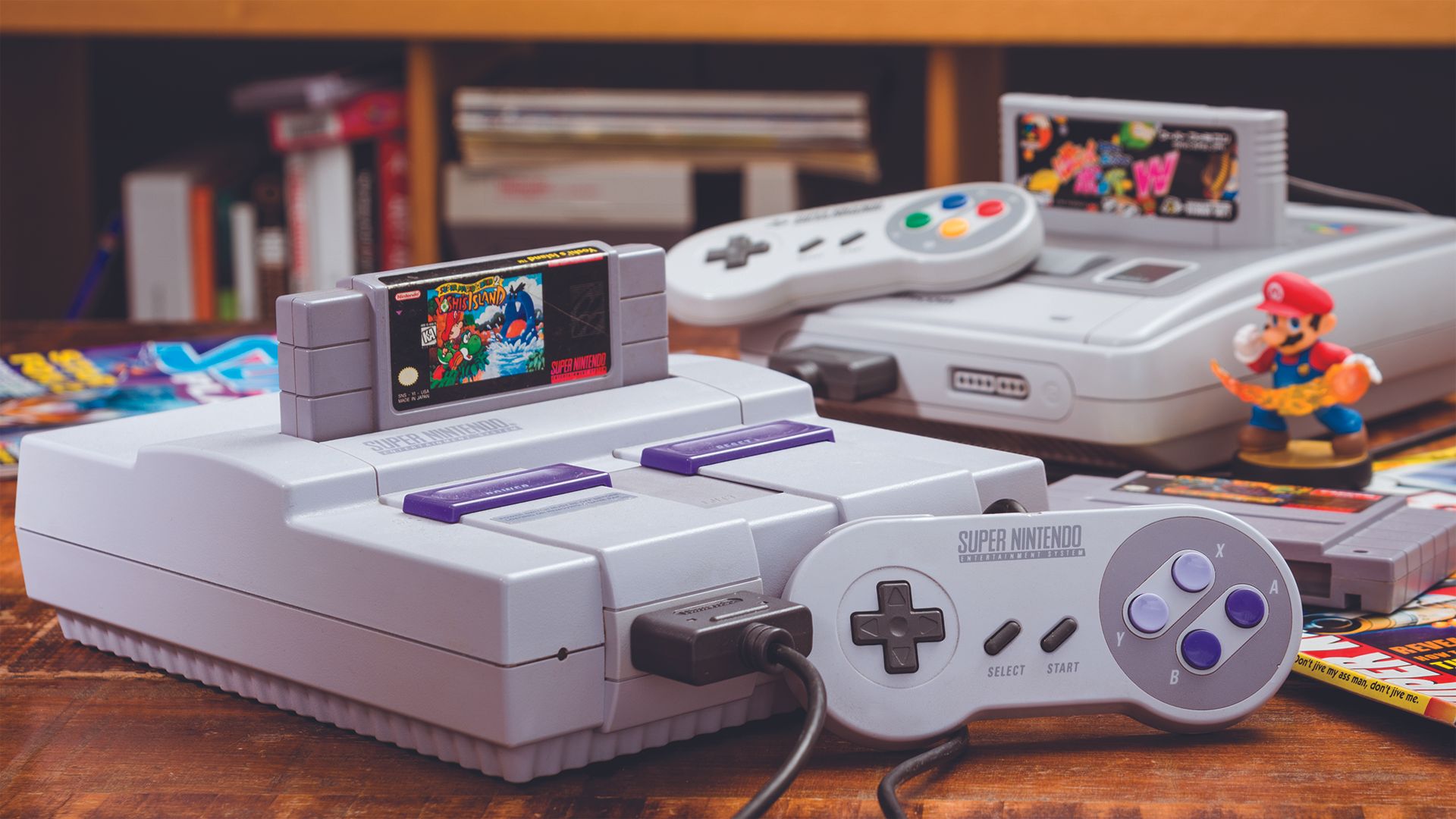
The petition was narrow. The Software Preservation Network and the Video Game History Foundation asked the Copyright Office to grant an exemption to Section 1201 of the DMCA — the part of the law that makes it illegal to circumvent copy protection — for one specific case: an accredited library or archive making a preserved copy of an out-of-print game remotely accessible to a researcher. Not selling. Not posting publicly. Not letting people download a ROM. Just answering the question every other research library already answers about every other medium: can I look at this for my work?
The Office said no. Per the ruling and the trade-press coverage, the rationale that carried the day was the publisher associations' argument that "preserved video games would be used for recreational purposes." The Office's own analysis treated the recreational-use risk as outweighing the documented research need. The legal-analysis writeups make the structural point clearly: under current 1201, libraries and archives cannot break copy protection on games to make them remotely accessible to researchers, full stop. The petition's denial does not narrow the law. The law was already this restrictive. What the denial does is close the only institutional path that was open to widening it.
"The petition asked for one thing libraries already have for every other medium. The Office said no. The institutional channel just closed."— Lumenforce
Three weeks ago, this publication ran a dispatch on the 87% — the share of pre-2010 commercially-released games that are no longer available for legal purchase. That number came from the Video Game History Foundation's 2023 study, which is still the most-cited measurement we have. The dispatch was sympathetic to the institutional path. It pointed at the VGHF DMCA work, the Software Preservation Network petition, and the triennial review process as the slow but functioning channel through which the legal architecture would eventually catch up to what archivists and academic researchers needed. That dispatch is now wrong on its central optimistic claim. The slow channel did not catch up. It got told no.
This is also where Lumenforce's running opinion that "preservation is the whole job" meets the policy surface and has to update. The opinion was that preservation is a real beat — not a footnote — and that institutional and scene-side preservation work were two arms of the same undertaking. That holds. What changes today: the institutional arm just lost a fight that took three years to wage and required a coalition of the most credible preservation organizations in the field. The next triennial review is 2027. The publishers won this one, and they will not be less prepared in three years. The arithmetic of waiting another cycle is bleak.
The denial is also a tell about which argument actually moves the Copyright Office. The petition was structured around accredited-library access — the most legally-defensible framing available, the one closest to existing practice for film and books, the one most likely to win on precedent. It did not win. The argument that won was the platform-holders' "recreational use" framing, which is structurally similar to the ESA argument that won the right-to-repair console carve-out three weeks ago: games are special, the people who care about access are not legitimate, every accommodation is a gateway to piracy. That framing has now won twice in the same six-week window. It is not an isolated outcome. It is the active position of the publishing-side lobby and it is succeeding.
The honest hedge: this is a US-only ruling, the EU's Stop Killing Games response is still pending mid-2026, and a denied exemption petition is not the same as a piece of new restrictive legislation. None of this changes what individual researchers can already do under fair use, what institutional libraries can do with consent of rights-holders, or what the scene's own preservation infrastructure (covered separately in today's companion piece) is producing on parallel rails. The denial closes one channel. It does not close all channels. But the closed channel was the one with the rule of law on its side.
What the next twelve months actually look like, named explicitly. (1) The institutional preservation organizations will keep working — they have to, the field has nobody else to do this — but the Section 1201 path is dormant until 2027 at minimum. (2) The case-by-case licensing approach (rights-holder consent for individual research projects) will absorb the demand the denied exemption would have served, slowly and unevenly. (3) The scene-side preservation track will keep doing what it has been doing, which is producing more and better preserved copies than the institutions are allowed to share. The ironic reading on the Office's denial: the practical effect is that researchers who need access will route around the institutions and use the scene's outputs, which is the worst possible outcome for the publishers' stated piracy-risk concern. The institutional channel was the path most aligned with the publishers' own preferred enforcement model. The denial pushed that channel away from the table.
The one-line version. The most legally-defensible preservation petition the field could have submitted just got denied for being too generous to researchers. The next round is 2027. Until then, the only preservation work that ships at scale is the work the law cannot quite stop. That story is the companion piece running today.