
The Fans Are Cheering for the Companies Erasing Their Childhoods. The 87% Is the Receipt.
Nintendo settled with Yuzu for $2.4 million in March 2024. Citra and Ryujinx wound down inside the same year. The 3DS eShop closed; the Xbox 360 store closed; the Wii U eShop closed. Each closure removes thousands of games from any legal-access path. The loudest voices in the comment threads are still defending the takedowns. Inside the cat-and-mouse — and the makers quietly preserving the medium without asking permission from either side.
On March 4, 2024, Tropic Haze paid Nintendo $2.4 million in a settlement and shut down Yuzu, the most popular Switch emulator on the planet. Within days the same dev team shut down Citra, their 3DS emulator. By October the team behind Ryujinx would shut down too, after Nintendo's lawyers picked up the phone. Skyline had already gone in 2023. The legal cost of the cat-and-mouse was spreading faster than the games.
Read the comment threads under the Yuzu shutdown announcement. The consensus is that Nintendo did the right thing. People paid $300 for a Switch and they're proud of Nintendo for protecting it. They are cheering, in genuinely good faith, the destruction of the only software stack capable of running the games they bought ten years ago on platforms that no longer exist. The emotional logic of that consensus is the single most interesting thing happening in video game preservation right now, and the rest of this piece is about why.
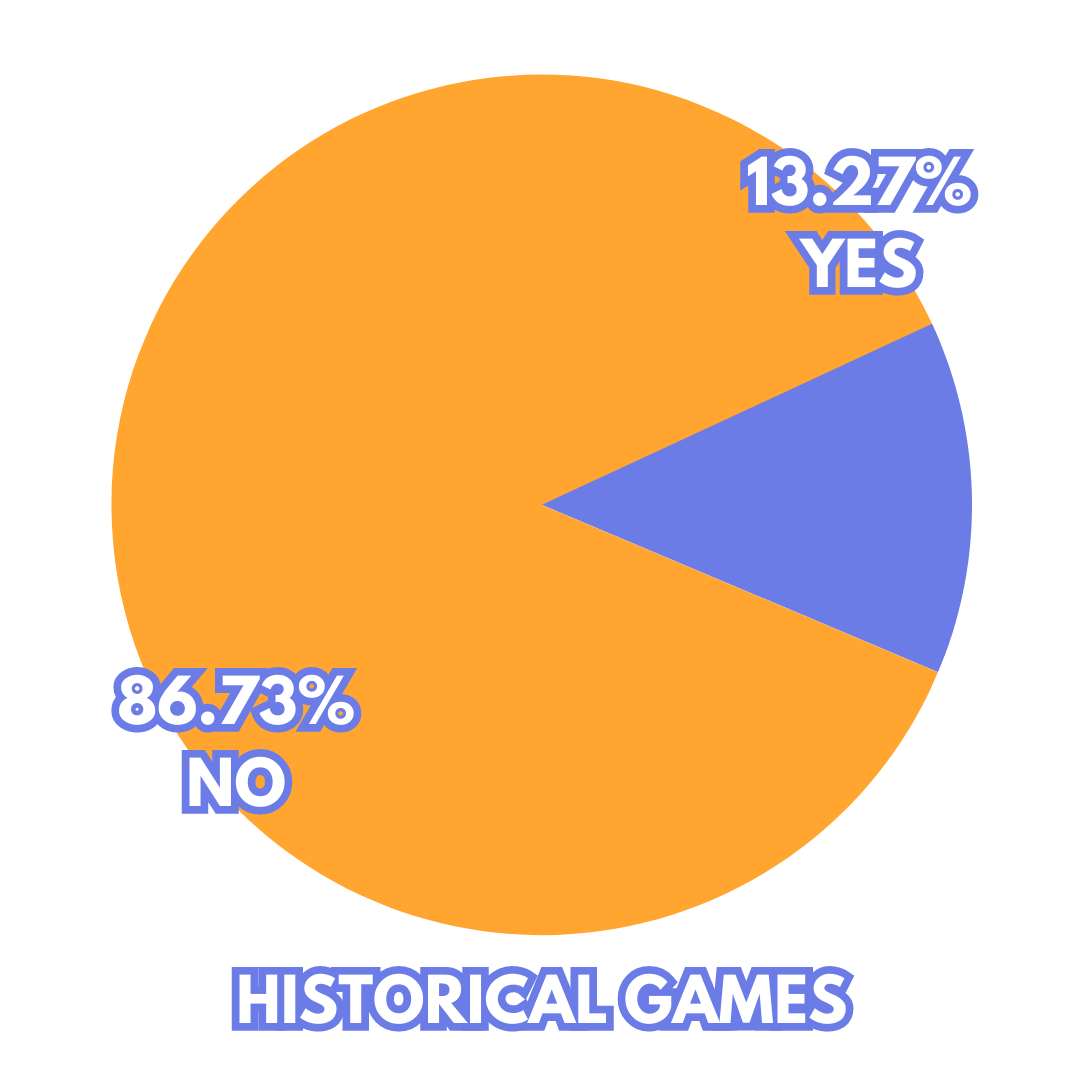
The Video Game History Foundation's 2023 audit said 87 percent of all commercial video games ever made are critically endangered — meaning effectively unreachable without piracy, a pilgrimage to an in-person archive, or a personal favor from someone in a collector community. That number was written before the 3DS eShop closed in March 2023. Before the Wii U eShop closed the same day. Before the Xbox 360 store closed in July 2024. Before Yuzu, before Citra, before Ryujinx. The 87% is not stable. The 87% is moving in the wrong direction, and the people moving it are the people who own the catalog.
Every shutdown spawns a fork inside a week. Yuzu became Suyu. Suyu got its own takedown and rebranded again. Ryujinx became Ryubing. Skyline lives on in private repos. The MAME project's legal status has changed approximately once a year for the last decade and the project has only gotten more comprehensive. The community moves faster than the lawyers. The forks always show up. The takedowns keep coming. This is what cat-and-mouse means in 2026 — not a chase, an equilibrium. Nobody ever wins. Nobody is supposed to.
The piece that doesn't fit the equilibrium model is the fans. A reasonable person watching this dynamic would expect Nintendo to be the unpopular party. The emulators are doing the work of preserving Nintendo's catalog — the catalog Nintendo has elected not to preserve via Virtual Console (replaced), via Switch Online (limited slate), via the 3DS eShop (closed). The emulators exist because Nintendo has stopped selling those games and shows no intention of selling them again. And yet: the loudest voices in the comment threads are defending Nintendo. Not licensing the games to third parties. Not even paying the IP holder a royalty. Defending the takedown itself.
There is a thesis worth taking seriously here. Brand identity becomes personal identity. The Nintendo Direct is a collective ritual. The console you bought at twelve isn't separable from your sense of self at thirty-five. When Nintendo wins a lawsuit, you win a lawsuit. When Nintendo erases a piece of its own catalog, you erased a piece of your own past — and to admit that costs something. So the comment thread reaches for a different frame: the emulator developers were thieves, the takedown was justice, the company is the wronged party, you are on the right side of history. It's a story that resolves the dissonance. It's also the story that holds the 87% in place.
The 87 percent endangerment number is not held in place by the companies that buried the games. It is held in place by the people who paid for them and love them.— Lumenforce
You can locate the people doing the actual preservation work by looking at who never asks for credit. The MAME team — twenty-eight years in, the largest arcade-preservation archive in human history, legal status semi-resolved, work continuing. The Internet Archive's Console Living Room. The MiSTer FPGA core authors — Mazamars312, the AmigaVision team, the entire ecosystem rebuilding silicon at the gate level so the cabinets outlive the chips. ShaderGlass, freeing 1,200 retro shaders from RetroArch's jail. Ross Scott's Stop Killing Games campaign, organized around the Crew shutdown to argue that publishers shouldn't be permitted to revoke things customers paid for. The VGHF, doing the policy work nobody else is doing. The Strong in Rochester. The Library of Congress Moving Image Research Center. None of these people need defending in the comment threads. They are too busy preserving things to fight back.
The next time you see a Nintendo DMCA strike on a YouTube channel that posts emulation tutorials, look at the top comments. Look at how many of them are from people identifying as fans of the games. Look at what they're arguing for. Then check whether the games those YouTubers were teaching people to play are still available for legal purchase anywhere on the planet. If the answer is no — and it usually is no — you are watching a paying customer cheer for the company that just took something away from them. Multiply that moment by the comment thread. Multiply the comment thread by every shutdown of the last eighteen months. The 87 percent is built out of these moments, one settlement, one closure, one takedown, one defensive thread reply at a time. Lumenforce isn't going to tell you what to do about it. We are going to keep noticing.