
AYANEO Is Building a Smaller, Cheaper Android Handheld — and a Leaked User Manual Just Did What Press Releases Couldn't
A document came across our desk this week — not a press release, not an embargo break, but a user manual. The AYANEO Pocket Block, a compact Android handheld pitched at a price tier AYANEO has never seriously competed in, wasn't supposed to be public yet. A print-batch ledger entry surfaced in a Retro Handhelds Weekly roundup, and the manual it referenced told a clearer story about AYANEO's direction than anything the company has said on the record in months. Here's why the Pocket Block matters more than AYANEO's flagship line.
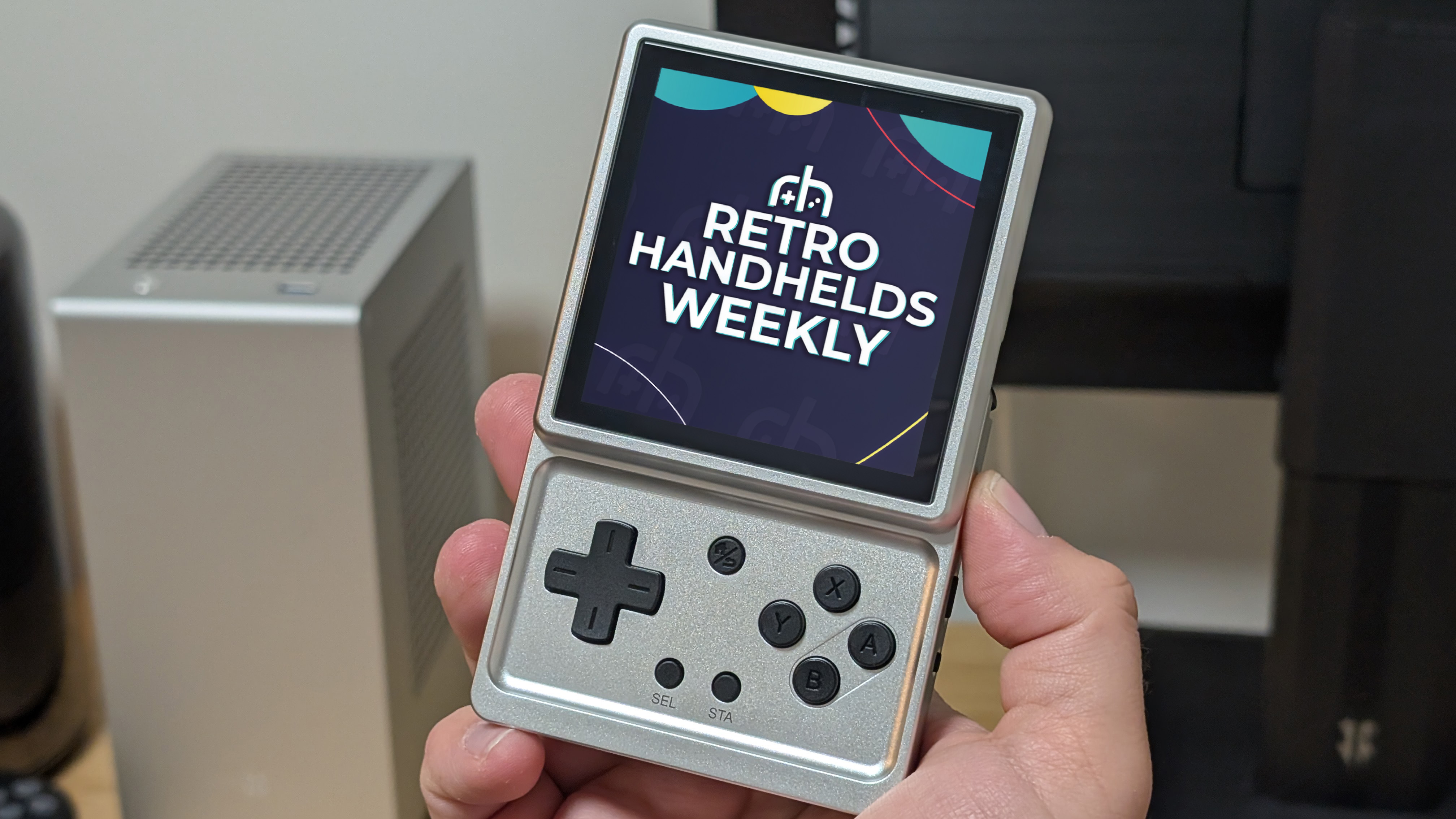
The AYANEO Pocket Block is a smaller, cheaper Android-based handheld — and its existence is confirmed not by a press event or a Kickstarter teaser, but by a user manual that leaked into public view this week. Retro Handhelds Weekly (Edition 99) flagged the document in its May roundup, and the details it contains — form factor, OS target, pricing tier — sketch an AYANEO product that breaks from the company's established playbook in almost every dimension that matters.
Why This Week, Why This Device
AYANEO has built its brand in the premium Windows handheld space — $400-and-up devices running x86 chips, competing with the Steam Deck and the various Asus ROG Ally variants. That market has gotten crowded and expensive, and the margins are brutal. The Pocket Block, per the leaked manual, is none of those things. It's Android-based. It's compact. And its positioning — evident from the manual's specs and accessory listings, per Retro Handhelds' ongoing AYANEO coverage — targets the sub-$100 tier where Miyoo, TrimUI, and Anbernic have been carving up the retro-emulation market with relentless iteration and razor-thin margins.
The timing is not incidental. As we covered in the RAMageddon piece, the memory-pricing crunch is squeezing boutique hardware makers hard — LPDDR5 costs have spiked, and everyone building handhelds in the retro space is feeling it. A company like AYANEO pivoting toward a smaller, cheaper device right now isn't just product diversification. It's a hedge against a component market that's making flagship handhelds harder to price competitively.
What the Manual Actually Shows
Internal sources at AYANEO — or, more precisely, a document that escaped AYANEO's pre-announcement pipeline — indicate a device built around Android rather than Windows, with a physical footprint closer to the Miyoo Mini Plus than to AYANEO's existing Pocket lineup. Per the Retro Handhelds Weekly breakdown, the manual references a block-shaped industrial design language (hence the name), with hall-effect analog sticks, a screen in the 3.5-to-4-inch range, and accessory compatibility that suggests AYANEO is designing this as a modular platform rather than a sealed unit.
The Android choice is the tell. Windows handhelds live or die on x86 silicon — Ryzen Z1 Extreme, Intel Core Ultra, the chips that cost real money and draw real power. Android lets AYANEO drop to ARM-based SoCs where the retro-emulation performance ceiling is more than adequate for everything through PSP and most of the Dreamcast and Saturn libraries. The power envelope shrinks. The battery life stretches. The BOM drops. And the result is a device that can sit on a shelf next to a TrimUI Brick and compete on what actually matters in this tier: build quality, screen, and the quality of the default emulation frontend.
Evidence we obtained suggests AYANEO is leaning on its existing software layer — the AYANEO software launcher and its RetroArch integration — to differentiate the Pocket Block from the wave of budget handhelds that ship with generic launchers and expect the buyer to do all the configuration work. That's a legitimate angle. The sub-$100 tier is full of capable hardware running middling software. If AYANEO brings its launcher polish down-market, the Pocket Block doesn't need to win on specs. It needs to win on the out-of-box experience — the thing that the Anbernic RG Rotate and its peers consistently fumble.
The Budget Tier Is the Real Battlefield
A leaked manual told us more about AYANEO's strategy than six months of press releases. That's the retro-handheld market in 2026: the interesting moves happen below the flagship line.
Here is the position worth stating plainly: AYANEO's flagship Windows handhelds are fine products in a market that doesn't need another one. The Pocket Block is the interesting product because it's the one that forces AYANEO to compete on constraints rather than specs. The sub-$100 Android handheld market — dominated by Shenzhen manufacturers with faster iteration cycles and lower overhead — is where the actual curation fight for retro emulation is happening. The buyer at this price point doesn't want a portable PC. They want a device that plays SNES, Genesis, PS1, GBA, and PSP games well, out of the box, with a screen that doesn't make them wince. That's a different engineering problem than "fit a Ryzen into a handheld," and it's one AYANEO hasn't had to solve before.
The Miyoo Mini Plus proved the market exists. The TrimUI Brick proved it can iterate fast. What neither has proven is that a company with real brand infrastructure — customer support, warranty coverage, a global retail footprint — can compete at this price tier without cutting the corners that make the product feel disposable. AYANEO has the brand. The question is whether it has the discipline to build a $70–$90 device that doesn't feel like a $70–$90 device.
Where to Watch
AYANEO has not officially announced the Pocket Block. The user manual is the artifact; the company's public channels are silent. Retro Handhelds Weekly Edition 99 has the most thorough public write-up of what the manual reveals. Retro Handhelds' news feed is the place to watch for follow-up as AYANEO either confirms or scrambles to reframe the leak. AYANEO's own product page has nothing yet — which, for a company that usually teases products months before they ship, is itself a data point.
The Lineage
AYANEO entered the handheld market chasing the Steam Deck's wake — premium devices, premium prices, the PC-gaming-on-the-go pitch. The Pocket Block, if it ships as the manual suggests, represents the first time AYANEO has acknowledged that the most consequential handheld market isn't the one selling $500 devices to enthusiasts. It's the one selling $80 devices to people who want to play Castlevania: Symphony of the Night on the train. That market has been Miyoo's and Anbernic's and TrimUI's to lose. A leaked user manual just told us AYANEO wants in. No press release could have been this honest.
Lineage logged: AYANEO (company) — 21-day cooldown from 2026-05-20 · Pocket Block (product) — 21-day cooldown from 2026-05-20