
The Retro PC Boom Has a Floor and a Ceiling — Here's Where Both Are Now
The retro PC scene is real, and forty-eight hours after Windows Central and Tech Yahoo put numbers on it, the segment has two specific prices. $199.99 — the Retro Pocket 386, a 40 MHz 386SX laptop that ships running Windows 95 from a $200 ticket. And ~$1,000–$1,300 — what a complete period-correct Pentium II tower with a working Voodoo 3 and a 17″ Trinitron costs on the secondary market this week, per ongoing pricing threads on VOGONS. That is the working span of the segment, and the floor and the ceiling are moving in opposite directions.
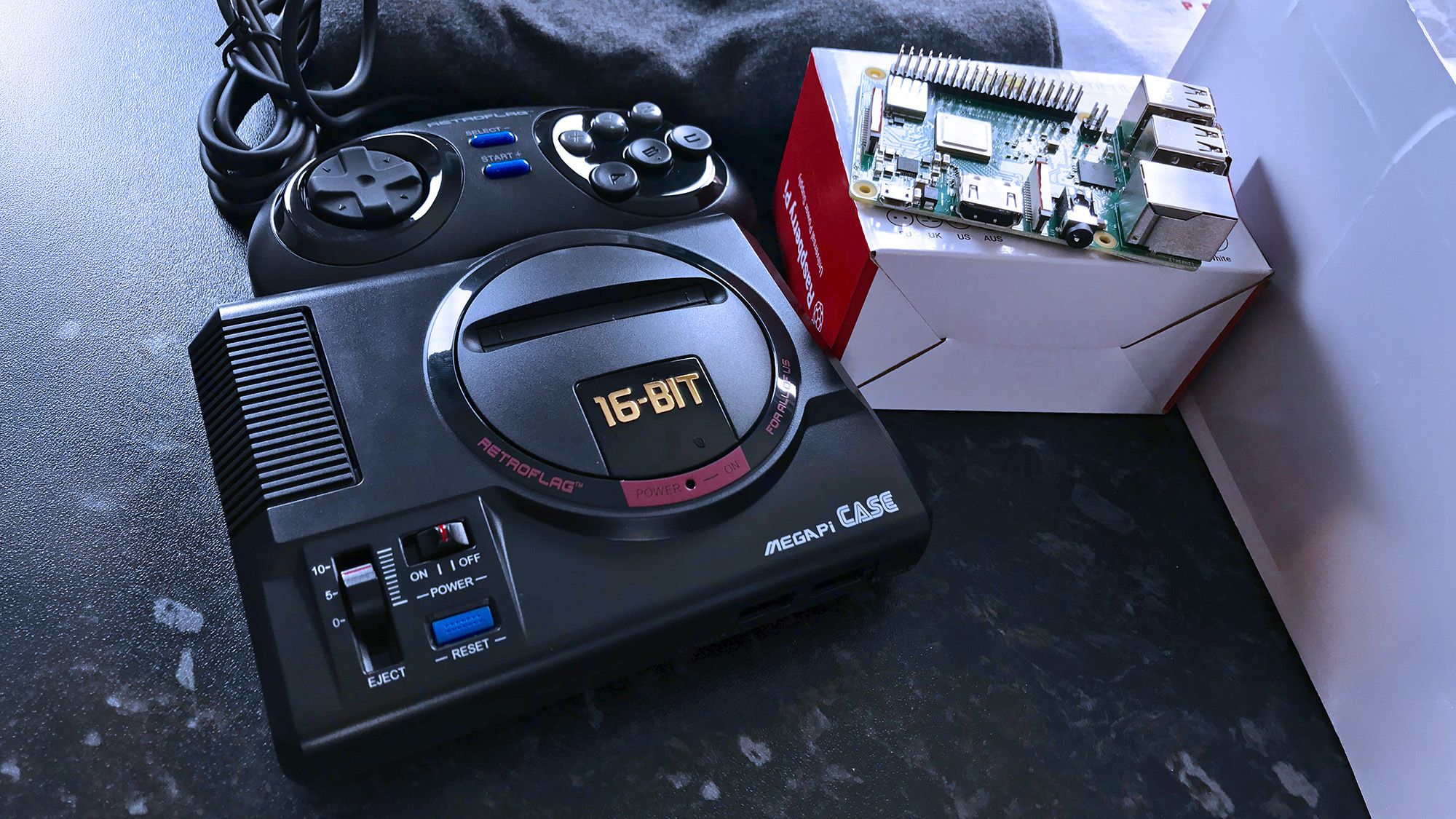
The floor moved this week with the Retro Pocket 386. A 40 MHz 386SX, 8 MB RAM, replaceable graphics, ships running Windows 95, $199.99 list. It is not for serious DOS-era enthusiasts; the VOGONS regulars have already started the "you cannot get a real DOS feel from a 386SX clone running on a modern LCD" thread, and they are right and beside the point. The Retro Pocket 386 is the consumer-grade entry into a hobby that, eighteen months ago, started at "find a working Pentium II and a CRT and a Sound Blaster on eBay and pray." A $200 ticket is what mass-adoption looks like in this scene, and mass-adoption is what shifts a category from boutique to durable.
The ceiling moved the other way. Authentic period-correct builds — a Pentium II 450 MHz, 256 MB RAM, Voodoo 3 3000, AWE64 sound card, a working PS/2 keyboard and mouse, a 17″ Trinitron CRT in good shape — were running well under $1,000 complete on the secondary market in late 2024. They are running closer to $1,000–$1,300 today on active VOGONS pricing threads and the corresponding eBay sold-listings band. (Specific quotes vary week to week and we are not pretending there is one canonical number; the directional move is what the segment cares about.) Why: the DRAM RAM-pocalypse per Rule 2026-04-24-14 macro pass-through is taxing not just new modules but old EDO and SDR sticks (scene reports; primary-source pricing capture is patchy on vintage RAM and we'd link a specific number if we had one); CRT supply has not gotten better; tariff-driven shipping cost is structurally up. The same chain that taxed the Anbernic RG406H 12 GB tier is taxing every retro-PC build that needs 256 MB of period-correct RAM. The boom is real and the entry tier is the only place it stays affordable.
"The boom is real, and the entry tier is the only place it stays affordable."— Lumenforce
The argument: this is the year the retro-PC scene splits formally into two segments. The Retro Pocket 386 / similar handheld-form clones become the consumer tier — $200, plug-and-play, runs the popular DOS catalog at single-frame-rate-stable enough — and the boutique authentic-period builds remain a $1,000+ collector hobby. This is not a bad outcome for the scene; it is what every other retro segment has done as it matures. Consoles split into FPGA (consumer) and ASIC original-silicon (collector). Vinyl split into boutique-pressing-plus-Spotify. Film cameras split into Fujifilm digital-with-grain (consumer) and actual-film-stock (collector). The retro PC scene is just running the same playbook two years behind.
The split has a benefit nobody's named yet: the consumer tier subsidizes the collector tier's preservation work. Every Retro Pocket 386 sold puts a Win95 user back in the catalog who will eventually want to know why the original sound chip differs, why the original VGA color register has a quirk the LCD does not reproduce, why the period-correct CD audio passthrough mattered. Some non-trivial fraction of those users become the next round of VOGONS regulars, and a smaller but non-trivial fraction become the next round of authentic-build collectors. The consumer tier is not a competitor to the collector tier. It is the on-ramp.
Two things to watch in the next thirty days. First, whether the second wave of cheap-handheld retro-PC clones — the ones that will inevitably ship in response to the Retro Pocket 386's lead — race to the bottom on price (which compresses the floor further) or differentiate on authenticity-feel (a pricing tier in between the consumer floor and the collector ceiling, which is where the real growth happens). Second, whether the secondary-market ceiling holds at $1,000–$1,300 or breaks higher. If it breaks higher and the consumer floor stays at $200, the segment is well-shaped. If both move up together, the macro is winning and the boom narrative needs revising.
The honest version of the story, as of today: the retro PC scene is in a healthy maturation arc and the headline that says "retro PC is having a moment" is not wrong, just incomplete. The moment the headline names is the floor moving down. The ceiling moving up is the part the headline does not mention, and it is the part that determines whether the moment becomes a movement.